Moped-Tuning Life Cylinder Milling & Timing
Cut Steuerzeiten for more PS—without deleting power or eating the piston.
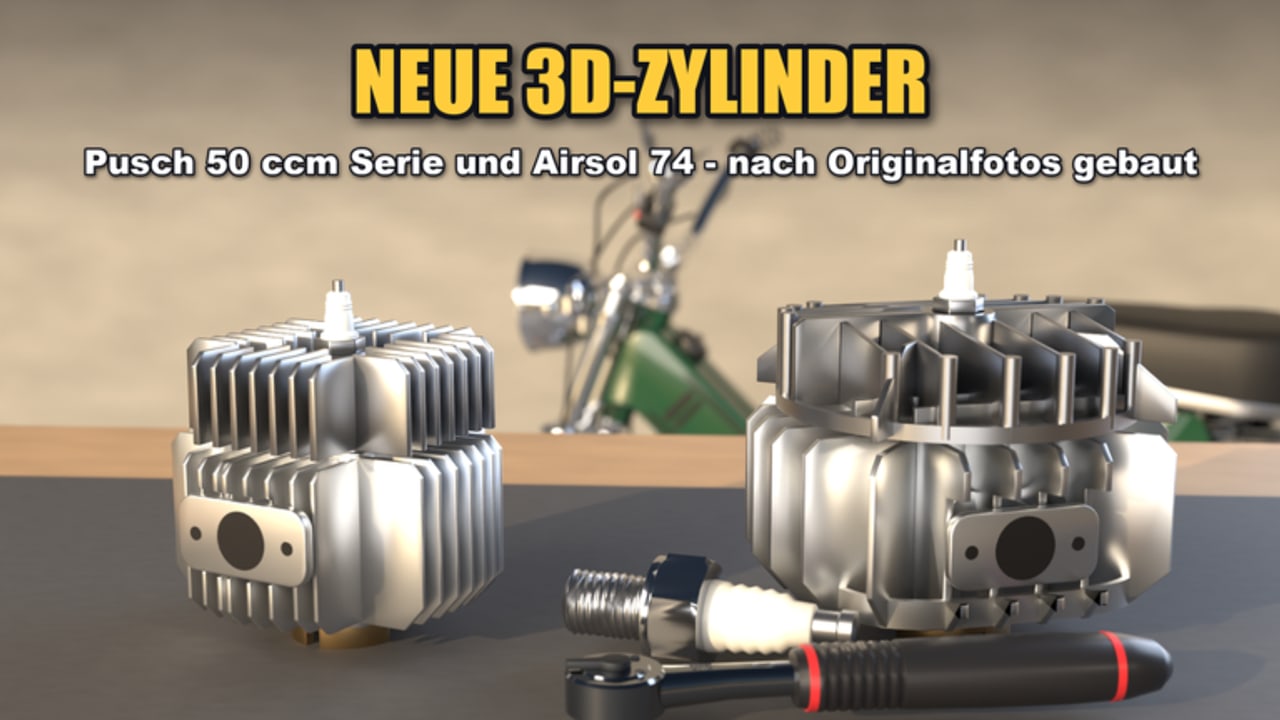
Cylinder milling is one of the signature fantasies in Moped-Tuning Life. Lewi748’s Roblox vehicle sim lets you shape Steuerzeiten (port timing) yourself inside a parts tree of more than seventy pieces, climbing cylinders toward the ~100ccm class while marketing copy teases louder 140ccm rocket builds. This cylinder milling guide explains why good timing adds horsepower, why over-milling throws power away, how lean main jets kill pistons beside bad cuts, and how to verify every step on the Prüfstand with P.
Pair this page with the full Tuning Guide and the Simsen S51 build notes for part order, the Tools hub for dyno and jetting workflow, and Make Money so you can afford redo kits when a greedy cut fails. Among the five mopeds, the Simsen S51 is the tuning-icon platform many players choose for serious mill-and-measure work—see its ranking context on the Tier List.
What milling is trying to do
In the game’s language, you are not randomly deleting metal for vibes. You are adjusting timing so the live power curve rises. Outcomes players feel:
- Good timing — cleaner pull, higher usable PS, curve that climbs without collapsing.
- Over-milling — peak falls, midrange holes out, or the bike feels loud but slower.
- Milling + wrong jet — even a smart cut can feel cursed if the mixture is dangerously lean.
Treat milling as seasoning. Tiny steps beat one heroic grind. Isolate milling from sprocket, ignition, and exhaust changes whenever cash and patience allow.
Where milling sits in the 70+ parts tree
A practical stack before you cut deep:
- Baseline the bike on P (stock or last known good).
- Install breathing support (often exhaust) and confirm the curve.
- Ensure carb / jet path can feed a larger cylinder.
- Fit the cylinder step toward the 100ccm-class fantasy.
- Then mill in small increments with a dyno after each.
- Only afterward chase crankshaft, ignition polish, and sprocket gearing.
Skipping straight to aggressive milling on a starving jet is how pistons die and wallets empty. Fund the sequence with structured rides from Make Money; redeem anything real on Codes when Lewi748 posts rewards—never invent promo strings.
Step-by-step milling workflow
- Warm and mount the moped you intend to keep (Simsen S51 for wrench-focused players, or whichever chassis you actually ride).
- Open the Prüfstand with P and note peak plus curve shape in plain words (“soft mid,” “early spike,” “holds top”).
- Apply one modest mill step — not a maxed fantasy cut.
- Dyno again immediately under similar throttle manners.
- Decide — keep if the curve rose cleanly; undo or step back if peak fell, flattened, or grew brittle.
- Road validate — short city or lake pull before any Alpine ego run.
- Re-check jetting — if the bike surges, rings hollow, or collapses after heat, richen toward safety before another cut.
- Stop when gains flatten. Extra milling past the sweet spot is how “more work” becomes “less speed.”
Full tool-centric habits (session timers, curve reading) live on Tools. Mechanical neighbors (exhaust order, sprockets, ignition) stay in the Tuning Guide and the Simsen S51 build notes.
Over-milling: symptoms and recovery
Suspect you cut too far when:
- Live peak is lower than the pre-mill baseline.
- Midrange feels hollow even though the exhaust is louder in your head.
- Wheelie balance got worse because power arrives as a spike then dies.
- Pass climbs need more W for less result.
Recovery:
- Stop wide-open Alpine pulls.
- Revert or reduce the mill step if the game allows.
- Dyno (P) to confirm you are climbing back toward the earlier curve.
- Confirm the main jet is not lean-leaning “to compensate.”
- Only then resume touring speed tests.
Stubbornness is expensive. A reverted Simsen that makes honest PS beats a smoked piston and a broken session.
Main jet: the milling partner rule
The game is explicit that a main jet set too lean can eat the piston. Milling does not grant immunity.
- After a successful mill — reassess mixture; new timing can expose a jet that was “almost fine” before.
- Too lean — heat risk, brittle power, piston death; richen before another dyno hero pull.
- Too rich — blubbery response; lean carefully in tiny steps while watching the curve.
- On target — repeatable Prüfstand pulls and predictable W response on the lake.
Never mill, jet, and sprocket in the same frantic minute. One variable, one P check, one short ride.
Dyno discipline (Prüfstand)
Press P for the live Leistungkurve. Milling without measurement is superstition.
Good lab manners:
- Same warmth and throttle style between pulls when you can control them.
- Write three words about shape, not only a single HP brag.
- Chase consistency across two pulls, not one lucky spike.
- After crashes or police fights, re-open P before blaming the mill.
Leaderboards (L) can show per-moped dyno pride, but a board screenshot does not replace your own before/after curves. Community rivalry context sits under Players.
Moped notes (especially Simsen S51)
All five platforms mill inside the same fantasy rules:
- Simsen S51 — poster child for wrench players; rewards patient timing work and punishes greed on pass exits when the curve gets peaky. Ranked as a speed-focused tuning icon on the Tier List.
- Derba Senda — sporty all-rounder; keep cuts modest so village connectors stay rideable.
- Betta RR 50 — agility first; over-milling into a spike fights wheelie balance.
- Fantik XM 50 — specialty identity; measure twice before copying a friend’s cut depth.
- Pusch Maxi S — learn the workflow here if you are new; cheaper lessons than cooking a peak Simsen.
Store vehicles (Valvo 760, Golv G60, Pusch X30, and others) still obey mixture and timing logic if they enter your garage—passes do not delete physics fantasy.
Map sense after a mill
A sharper motor changes Alpine manners:
- City cameras punish accidental lifts—roll off W earlier.
- Lake wheelies may loft sooner; shorten Shift practice until balance returns (Wheelie Tricks).
- Pass hairpins need touring re-learning before chase bait (Police Chase).
If the bike feels “too much” after a cut that looked good on P, you still succeeded at milling—you now need throttle manners and possibly a richer jet, not another deeper grind.
Session template (milling day)
- Earn or allocate cash for at most one cylinder-related experiment (Make Money).
- Baseline on P.
- One mill step.
- Dyno + short lake validation.
- Jet correction if needed.
- Optional second tiny step only if the first clearly helped.
- Stop rule: end shopping when the curve stalls or worsens.
- Skim Updates if a mid-November patch changed how parts feel—the Halloween Update and frequent fixes through about 17 November 2026 already proved retesting matters after launch (16 October 2026).
Related guides
- Tuning Guide and the Simsen S51 build notes — full parts order around milling.
- Tools — Prüfstand reading and jetting loop.
- Make Money — fund cylinders without panic buys.
- Tier List — Simsen S51 and other platforms for mill-focused builds.
- Getting Started — controls and first baseline.
- Controls — P, W feathering, and calm inputs.
Cylinder milling in Moped-Tuning Life rewards patience: cut little, measure always, jet safely, and quit while the curve is still rising. Do that on a Simsen—or any of the five—and the Alpine pass will feel earned instead of rented from a melted piston.
Frequently Asked Questions
Quick answers to the most common questions.
Does cylinder milling always add horsepower?
Good Steuerzeiten timing adds usable HP, but over-milling reduces power. Dyno with P after every small cut and undo when the live curve falls.
Why did my piston fail after milling?
A main jet that runs too lean can eat the piston—especially after timing changes. Richen toward safety, retest on the Prüfstand, and avoid long wide-open pulls until the curve is stable.
What order should I mill relative to other parts?
Support breathing and carb/jet path, install the cylinder step, then mill in tiny increments with dyno checks. Save sprocket and ignition polish for after timing is honest.
Which moped is best for learning milling?
Pusch Maxi S is forgiving for first workflows; Simsen S51 is the tuning-icon choice once you want peak builds. Rankings and roles are summarized on the Tier List.
How do I know I over-milled?
Peak lower than baseline, hollow midrange, spikier wheelie manners, or slower pass climbs despite more noise. Revert the cut, re-dyno, and fix jetting before cutting again.